
GLP-1 Weight-Loss Medicines

Introduction
Obesity is a complex, chronic health condition associated with an increased risk of type 2 diabetes, cardiovascular disease, high blood pressure, and other metabolic disorders. Although a balanced diet and regular physical activity remain essential for weight management, some people need additional medical treatment.
In recent years, GLP-1-based medicines have attracted considerable attention because of their ability to help eligible patients lose weight and improve certain metabolic health outcomes.
Medicines such as semaglutide and liraglutide, along with tirzepatide—which acts on two hormone receptors—have changed the medical approach to obesity management. However, these treatments are not suitable for everyone and require professional medical supervision. The World Health Organization (WHO) recognizes their potential role in the long-term management of obesity in adults while emphasizing the importance of comprehensive care.
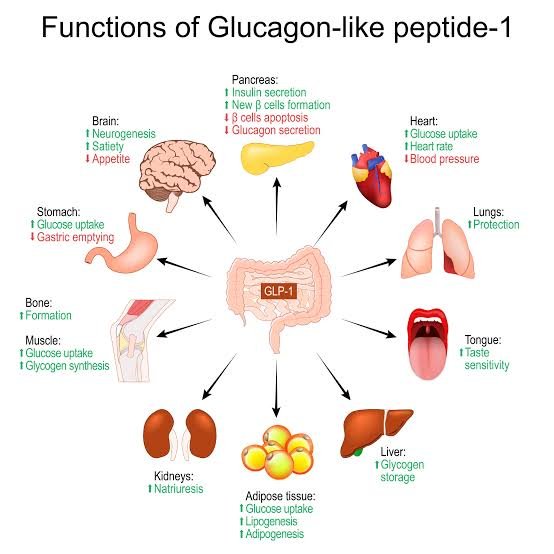
GLP-1 stands for glucagon-like peptide-1, a hormone naturally produced in the intestine in response to food intake.
This hormone helps regulate blood glucose levels, appetite, and the rate at which the stomach empties. GLP-1-based medicines mimic or act through related hormonal pathways to produce some of these effects for a longer period.
These medicines were initially developed primarily for managing type 2 diabetes. Certain formulations later received approval for chronic weight management in eligible patients.
The important distinction is that not every medicine containing the same active ingredient has the same approved indication, dose, or formulation. Approval varies by country and specific product.
2. How do GLP-1 medicines work in the body?
GLP-1 medicines influence several physiological processes involved in appetite regulation, digestion, and glucose metabolism.
A. Appetite regulation
These medicines act on appetite-related pathways in the brain, helping reduce hunger and food cravings in some patients and increasing the feeling of fullness.
B. Slower gastric emptying
They can slow the movement of food from the stomach into the small intestine, particularly during early treatment. This may help a person feel full for longer.
C. Blood glucose regulation
GLP-1 receptor activation stimulates insulin secretion when glucose levels are elevated and suppresses glucagon secretion in a glucose-dependent manner. These effects help improve blood glucose control.
Together, these actions may reduce calorie intake, support weight loss, and improve metabolic health. Tirzepatide works slightly differently because it activates both the GIP and GLP-1 receptors.
3. Important GLP-1-based medicines
The following medicines are commonly discussed in obesity and diabetes care. Their approved uses and formulations vary between countries.
Medicine | Main pharmacological action | Key information |
|---|---|---|
Semaglutide | GLP-1 receptor agonist | Used in specific formulations for type 2 diabetes and chronic weight management |
Liraglutide | GLP-1 receptor agonist | Used in specific formulations for diabetes and weight management; weight-management formulations are generally administered daily |
Tirzepatide | Dual GIP and GLP-1 receptor agonist | Used for type 2 diabetes and, in certain jurisdictions and formulations, chronic weight management |
These medicines should not be treated as interchangeable. The active ingredient, brand, strength, approved indication, and dosing schedule must all be considered.
A useful distinction for readers is that Ozempic and Wegovy contain semaglutide but have different product indications and dosing regimens in the United States. Brand names and approvals differ by market, so readers in India should consult the current approved product information and a qualified healthcare professional.
4. What are the benefits of GLP-1 weight-loss medicines?
4.1 Clinically meaningful weight loss
These medicines can help eligible patients lose a meaningful proportion of their starting body weight. The amount varies with the medicine, dose, treatment duration, adherence, individual response, and lifestyle support.
In clinical trials, some patients using semaglutide or tirzepatide for chronic weight management have achieved average weight reductions of around 15% or more, depending on the product and trial. These are study averages, not a guarantee for an individual patient.
4.2 Better blood glucose control
GLP-1-based medicines can improve glycaemic control in people with type 2 diabetes. Their effects on insulin secretion and glucagon help regulate blood glucose levels.
4.3 Cardiovascular and other metabolic benefits
Certain medicines have demonstrated benefits for particular patient groups, including reductions in specific cardiovascular events or improvements in selected heart and kidney outcomes. These benefits depend on the medicine, its approved indication, and the patient’s underlying condition.
4.4 Support for long-term obesity management
Obesity can behave as a chronic, relapsing disease. For appropriate patients, medication may be one component of long-term care rather than a short-term cosmetic intervention.
WHO’s guidance emphasizes combining appropriate pharmacological treatment with healthy eating, physical activity, and structured behavioural support.
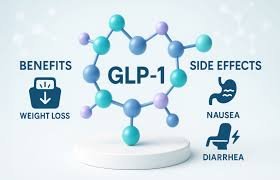
Like other prescription medicines, GLP-1-based treatments can cause adverse effects. Understanding these risks is essential for informed decision-making.
Potential side effect or risk | Explanation |
|---|---|
Nausea and vomiting | Common, particularly during treatment initiation or dose escalation |
Diarrhoea or constipation | Changes in gastrointestinal function may affect bowel habits |
Abdominal discomfort | May include bloating, indigestion, or abdominal pain |
Gallbladder problems | Gallstones or gallbladder inflammation can occur |
Pancreatitis | A potentially serious condition requiring urgent medical assessment if suspected |
Dehydration | Persistent vomiting or diarrhoea may lead to fluid loss and kidney complications |
Delayed gastric emptying | May be problematic in people with certain gastrointestinal disorders |
Loss of lean tissue | Some weight loss can involve muscle as well as fat, making adequate nutrition and resistance exercise important |
The frequency and severity of these effects differ between individuals. Some adverse effects improve over time, while others require medical review or discontinuation. WHO also notes that some longer-term safety questions continue to be evaluated.
Seek urgent medical attention for severe or persistent abdominal pain, repeated vomiting with inability to keep fluids down, signs of a serious allergic reaction, or sudden changes in vision.
Patients should tell their healthcare provider about persistent digestive symptoms and any other medicines they take.
6. Who may be eligible for GLP-1 treatment?
GLP-1-based medicines are not intended for everyone who wants to lose a few kilograms. A healthcare professional assesses whether treatment is appropriate based on body mass index (BMI), medical history, associated conditions, other medicines, and the product’s approved indications.
Treatment may be considered for:
Adults living with obesity.
Certain adults with overweight and weight-related medical conditions, where the specific medicine’s approved criteria are met.
People with type 2 diabetes who may benefit from a medicine that improves glucose control and, for some products, supports weight management.
The WHO’s December 2025 guidance conditionally recommends long-term GLP-1 therapy for adults living with obesity, excluding pregnant women, as part of comprehensive care. This is a global recommendation, not a replacement for local prescribing criteria.
A prescriber should carefully assess patients with a history of pancreatitis, gallbladder disease, severe gastrointestinal problems, or diabetic eye disease, as relevant to the specific product.
Some GLP-1 medicines carry warnings or contraindications relating to a personal or family history of medullary thyroid carcinoma or multiple endocrine neoplasia type 2. These restrictions are product-specific and should be checked in the approved prescribing information.
These medicines should not be used for weight loss during pregnancy. Patients who are pregnant, planning pregnancy, or breastfeeding should discuss appropriate treatment and timing with their healthcare professional.
People taking insulin or sulfonylureas may require adjustments to their diabetes treatment because combining glucose-lowering medicines can increase the risk of hypoglycaemia.
7. What happens when treatment is stopped?
One of the most important issues in obesity pharmacotherapy is the possibility of weight regain after discontinuation.
GLP-1-based medicines can reduce appetite and help patients maintain a lower energy intake while treatment continues. When treatment stops, appetite and eating patterns may change, and the biological processes that contribute to obesity can return.
Some patients regain a substantial proportion of their lost weight. The amount and timing vary between individuals.
This is why obesity treatment should include a long-term management plan covering nutrition, physical activity, behavioural support, follow-up, and alternative treatment options when necessary. Patients should not stop or restart prescription medicines without discussing the decision with their prescriber. WHO notes that evidence on long-term outcomes and discontinuation continues to develop.
The development of GLP-1-based medicines illustrates how knowledge of human physiology can be translated into innovative drug therapies.
From a pharmaceutical science perspective, several areas are particularly important.
Peptide drug development: Many of these medicines are peptide-based molecules engineered to provide a longer duration of action than the natural hormone.
Formulation development: Stability, delivery systems, product compatibility, and administration requirements are central to product design.
Quality assurance and quality control: Identity, potency, impurities, sterility where applicable, and other product-specific quality attributes must be controlled.
Regulatory science: Clinical evidence, benefit–risk assessment, manufacturing controls, labelling, and pharmacovigilance support safe use.
Pharmacovigilance: Monitoring adverse events after approval helps identify potential safety signals and improve prescribing information.
The growing demand for these medicines also highlights the importance of reliable manufacturing, appropriate storage, regulated distribution, and patient education. WHO has warned that falsified and substandard GLP-1 products can threaten patient safety.
9. Safety tips for patients and consumers
Before starting a GLP-1-based medicine, patients should:
Obtain an appropriate medical assessment and prescription.
Purchase medicines through legitimate, regulated pharmacies.
Verify the product, packaging, storage requirements, and instructions.
Follow the prescribed dose and dose-escalation schedule.
Report persistent or severe adverse effects to their healthcare professional.
Maintain adequate nutrition, hydration, physical activity, and follow-up care.
Avoid unapproved products sold online or promoted as research chemicals.
Do not attempt to calculate injectable doses or adjust the dose independently, especially when a product is supplied in a multidose vial. Incorrect measurement can cause serious medication errors. The US FDA has documented dosing errors and quality concerns involving certain unapproved compounded products. Its regulatory guidance applies to the US market, but the broader lesson about obtaining verified medicines from legitimate sources is relevant internationally.
10. Frequently asked questions (FAQs)
They can be appropriate and effective for eligible patients when prescribed and monitored by a qualified healthcare professional. They also have potential side effects and are not suitable for everyone.
Do GLP-1 medicines work without diet and exercise?
They can produce weight loss through appetite and metabolic effects, but they should not replace healthy eating and physical activity. Combining medication with structured lifestyle support can improve overall treatment outcomes.
Are semaglutide and tirzepatide the same?
No. Semaglutide activates the GLP-1 receptor, whereas tirzepatide activates both the GIP and GLP-1 receptors. Their indications, clinical effects, and prescribing instructions differ.
Can anyone use these medicines for cosmetic weight loss?
No. Eligibility depends on clinical need, the particular product’s approved indications, and medical assessment. These are not medicines for unsupervised cosmetic weight loss.
Is weight regain possible after stopping treatment?
Yes. Weight regain is possible because appetite and the biological mechanisms contributing to obesity may return. A clinician should help develop a long-term management plan.
Are GLP-1 medicines a permanent cure for obesity?
No. They are treatment options for managing a chronic condition. Long-term outcomes depend on individual response, ongoing care, lifestyle support, and other health factors.
Conclusion
GLP-1-based medicines represent a significant development in the pharmacological management of obesity and type 2 diabetes. By influencing appetite, gastric emptying, and glucose regulation, they can support clinically meaningful weight loss and provide additional benefits for certain patients.
However, their effectiveness must be balanced against potential adverse effects, cost, accessibility, product quality, and the need for long-term follow-up. Responsible prescribing and evidence-based patient education are essential to achieving the best outcomes.
The key message: GLP-1 medicines can be valuable tools in obesity management, but they are not shortcuts or universal solutions. Their use should be guided by scientific evidence, medical supervision, and comprehensive long-term care.